Stolen tools, damaged equipment and non-compliant setups are not uncommon in Australian worksites. The issue is not just weak locks but also factors often overlooked, such as poor hinge design, exceeding load limits, and other factors that can compromise the whole toolbox system over time.
To effectively reduce theft risk and meet toolbox safety standards in Australia, it’s important to understand how toolbox lock security and hinge strength work together as part of a complete protection system.
What types of toolbox locks offer the best security?
The most secure toolbox locks include keyed locks, combination locks, padlocks, and integrated locking systems, each offering different levels of protection depending on use. The best choice depends on your work environment, access needs, and theft risk. Strong toolbox lock security supports:
- Controlled access to valuable equipment
- Reduced risk of theft in shared or public environments
- Better alignment with workplace safety expectations
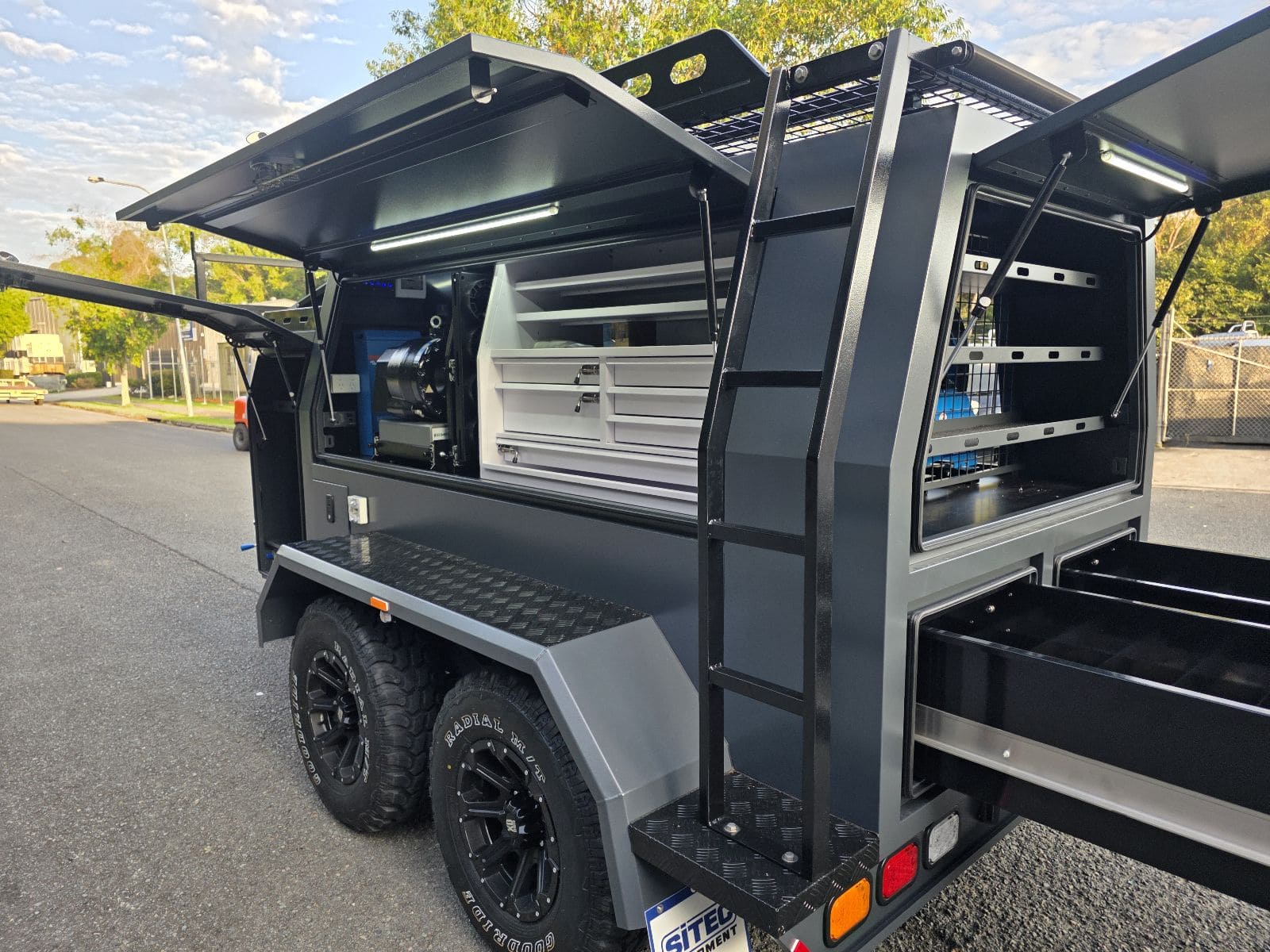
Choosing high-quality solutions like aluminium toolboxes helps ensure both protection and compliance in demanding conditions.
Keyed locks
Keyed locks remain a dependable option for everyday toolbox security. They are simple to use and widely trusted across trade environments. For better performance, look for anti-pick and anti-drill cylinders, weather-resistant materials to prevent corrosion, and controlled key duplication for added security.
Combination locks
Combination locks provide keyless convenience and flexible access control. They are ideal for teams or shared toolboxes. Key advantages include eliminating the risk of lost or stolen keys, allowing easy code updates when users change and enabling faster access without the need for key handling.
Padlocks and integrated locking systems
Padlocks and integrated locks are often used together to strengthen toolbox security, especially in higher-risk environments. While each has its place, they work best as a combined solution rather than standalone options. Padlocks are popular because they’re flexible, so you can easily replace or upgrade them when needed. However, because they sit outside the toolbox, they’re more exposed to cutting or tampering.
Integrated locking systems, on the other hand, are built directly into the toolbox. This makes them harder to access and generally more resistant to forced entry, offering a cleaner and more secure design.
How hinges support toolbox security
Hinges are critical to toolbox security because they protect structural integrity and prevent forced access through weak points. Even with strong locks, exposed or low-quality hinges can compromise the entire system.
They also play a key role in how well your toolbox handles weight. This is also why it’s important that toolbox load rating is explained correctly. Load ratings define the maximum weight a toolbox can safely carry, and exceeding them can place stress on hinges, causing premature wear or failure over time.
By matching hinge strength with the correct load rating, you ensure both security and long-term durability are maintained.
For safer and stronger toolbox security solutions, trust in Sitec
With customisable options available through our toolbox combinations, Sitec helps businesses improve security without sacrificing efficiency. We deliver engineered, heavy-duty trailers and toolboxes built specifically for harsh, real-world environments.
Our products stand out through our strong engineering-led approach, combining rigorous testing, premium materials and advanced manufacturing to ensure long-term durability and reliability.
Sitec emphasises custom, fit-for-purpose solutions and a customer-first mindset, consistently delivering high-quality products on time and to spec, making us a trusted partner for industries where performance and dependability are critical.
For expert guidance or tailored toolbox recommendations, feel free to contact our team today.