Sitec Toolbox Security: 7 Powerful Ways to Protect Tools
Sitec toolbox security starts with a simple idea: give your tools a solid home, lock them up properly and keep them ready for the next job.
For a working tradie, a ute full of tools represents years of buying, upgrading and finding out which gear earns its keep. Losing it means replacing equipment, chasing receipts and trying to finish booked work with half a kit.
Your tools should only leave the ute when there’s work to do. Preferably with you.
Here’s what to look for in a secure toolbox setup, how Sitec’s features fit into the picture and which everyday habits help protect your gear.
1. Locks That Suit the Working Day
You might open a toolbox a dozen times before smoko. The locks need to be straightforward to use, especially when you’re moving between jobs and grabbing different gear.
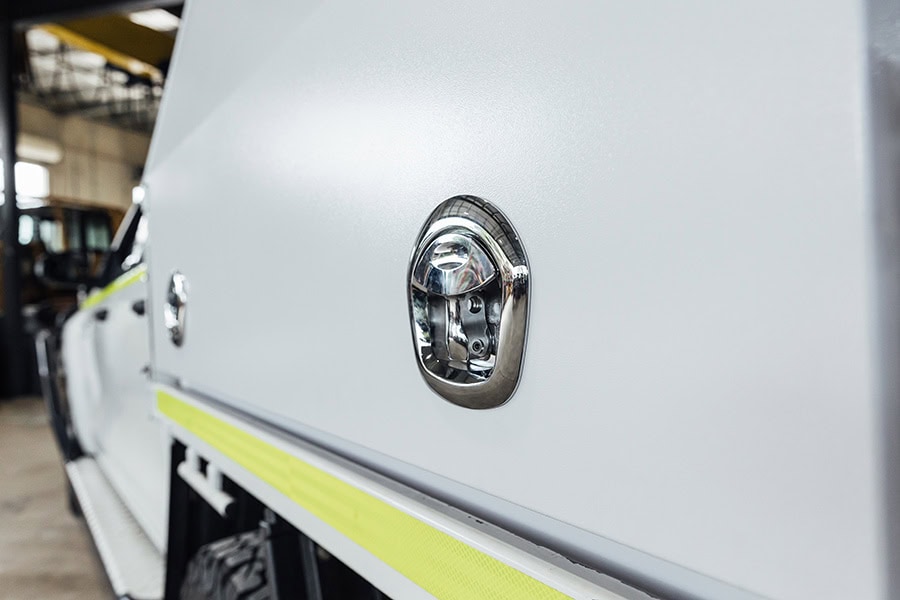
Sitec’s whale-tail locks are keyed alike and padlockable. Keyed alike means the supplied locks use the same key, which cuts down on key juggling. The padlock option lets you add another lock where needed.
If you’re adding a toolbox to an existing setup, ask the team how the new locks will work with what you already have. Check which padlocks fit before buying them.
Then make the final check a habit: lid closed, locks engaged and a quick pull to confirm everything is secure. A closed lid alone doesn’t tell you it’s locked.
2. A Solid Box Around Your Tools
Have a look at the whole toolbox when comparing options. Check the body, lid, hinges and how it all fits together.
Sitec uses laser-cut steel components and robot-welded joins. In everyday terms, that means accurately cut parts and a manufacturing process aimed at consistent joins. A full-length heavy-duty piano hinge supports the lid along its length.
Try opening and closing the box. Look at the fit around the lid and think about how you’ll reach inside once it’s mounted on your tray.
For a closer look at the construction, read Sitec’s guide to its toolbox design. That gives you something more useful to compare than a good-looking product photo.
3. Mounting That Deserves Attention
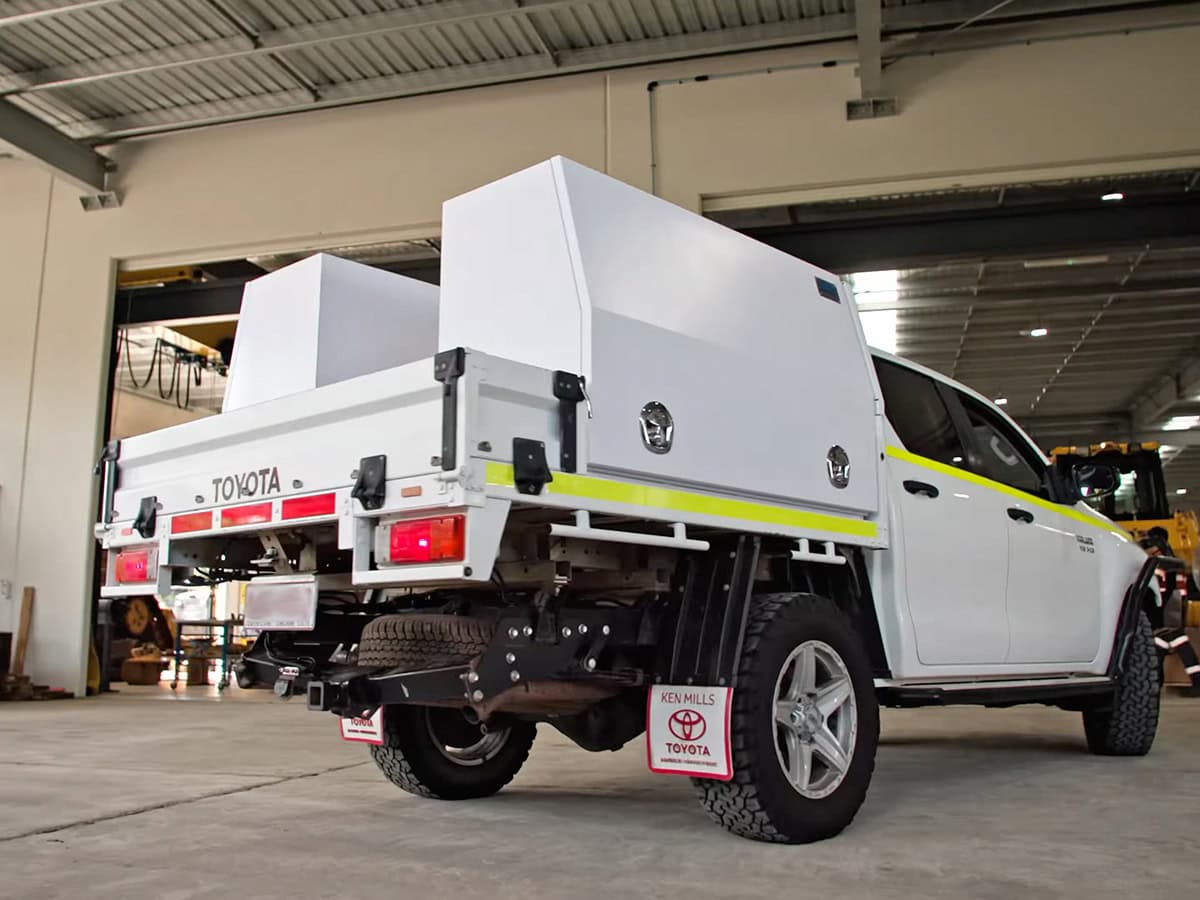
How the toolbox attaches to your vehicle matters. Give the mounting proper attention before loading your gear and heading out.
The Queensland Police Service’s tool security advice recommends fixing a locked toolbox to the ute tray or vehicle floor when tools need to stay inside.
Sitec’s toolbox mounting FAQs recommend M12 high-tensile bolts with 38 mm round or square washers. Check the requirements for your particular box and vehicle with the team or your installer.
The mounting surface needs to suit the loaded box, with suitable access for fitting and checking the hardware. Once installed, include those fixings in your regular vehicle checks, particularly after rough roads or site access tracks.
4. Drawers That Stay Put Between Jobs
There are two jobs to think about here: locking people out and keeping drawers secured while you drive.
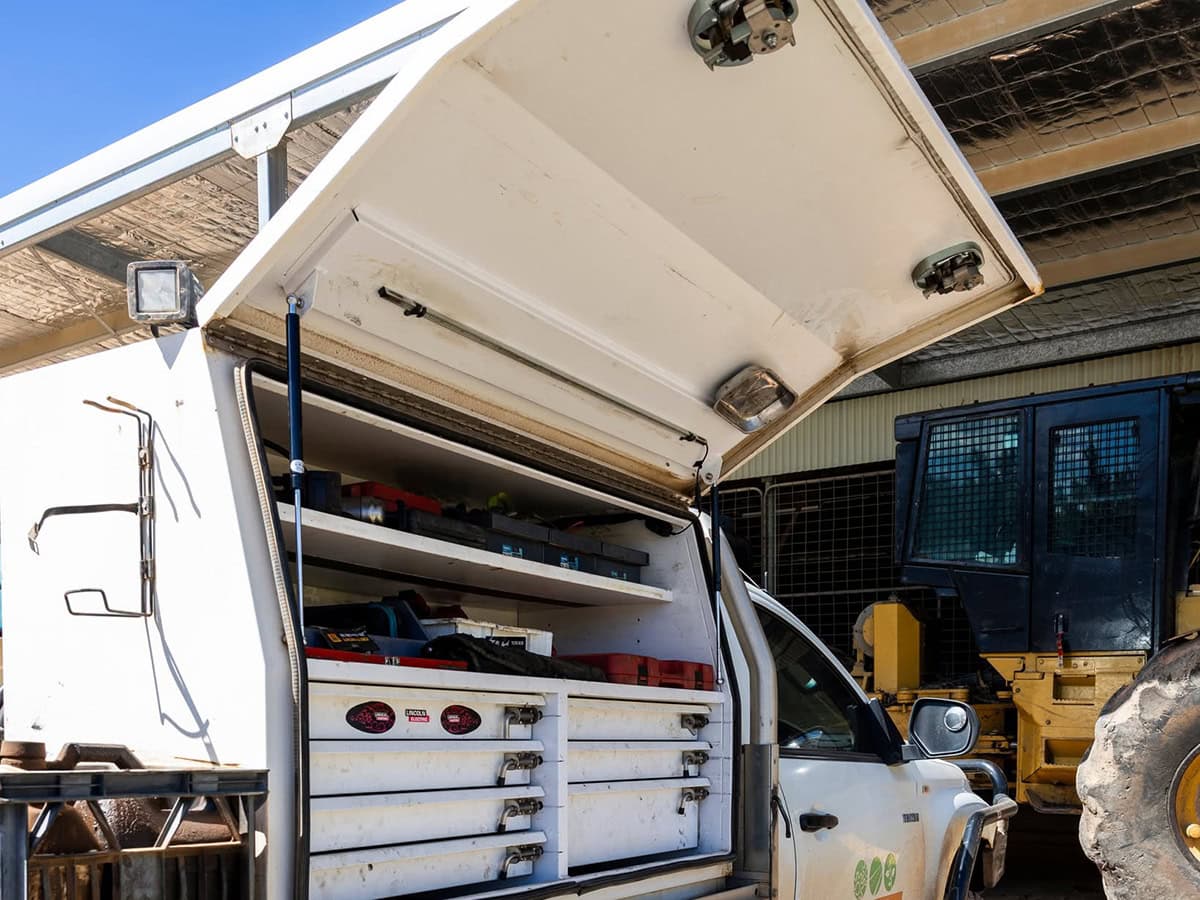
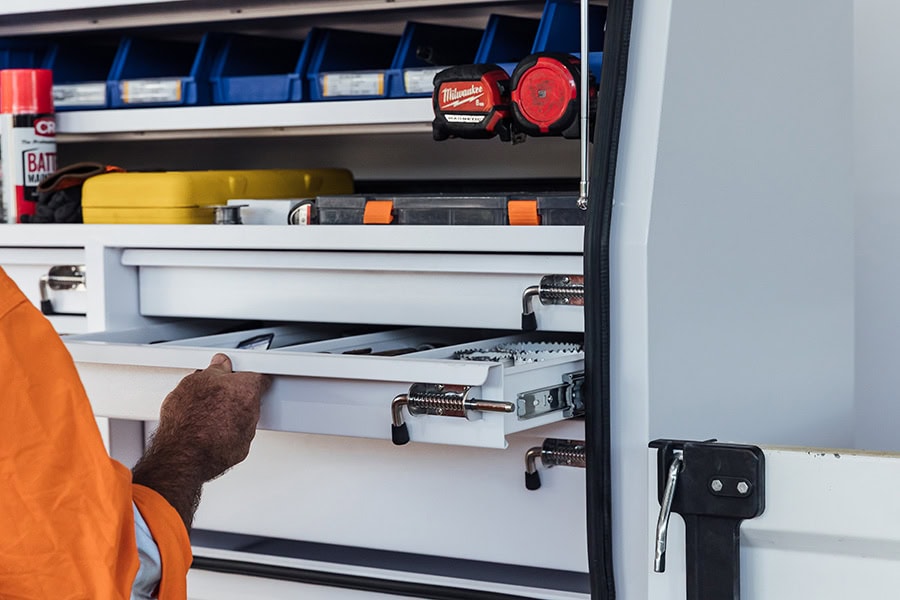
Sitec’s spring-loaded stainless-steel drawer locks help keep drawers retained during travel. The outside toolbox locks control access through the lid.
Before leaving a job, close each drawer properly and check that it stays shut. Keep loose gear clear of the runners and avoid packing drawers so tightly that they need forcing closed.
If something won’t shut, find out why before driving off. This is worth making clear when apprentices or other crew members use the vehicle. Everyone should know how the drawers latch and what needs checking before the ute moves.
5. A Place for the Gear You Carry
A tidy toolbox makes it easier to check what came back from the job.
Give your sockets, spanners, drill bits and other regularly used gear a consistent spot. You’ll spend less time rummaging around and have a better chance of noticing something missing before leaving site.
The 10 mm socket may still need its own search party.
Sitec offers different drawer and shelf layouts, adjustable shelving and drawer dividers across its range. Compare the Sitec toolbox combinations against the tools you actually carry.
Leave enough space for larger equipment too. For a shared ute, a photo of the packed toolbox gives everyone a handy reference.
6. Keeping Dust and Moisture in Check
Tool protection includes looking after the gear while it’s stored.
Sitec toolboxes have pinch-weld rubber seals around the openings and a UV-stabilised powder-coated finish. The seals help limit dust and moisture getting inside, while the coating supports durability outdoors.
Give the seals a quick check when cleaning the ute. Remove built-up dirt, look for damaged sections and make sure loose equipment isn’t caught across the opening.
Where possible, dry wet tools before putting them away. If you notice moisture inside, work out where it’s coming from. Also check for obstructions or damage if a lid suddenly becomes harder to close, instead of pulling harder on the handle.
7. A Quick Lock-Up Routine
Sitec toolbox security works best when locking up becomes as routine as grabbing your phone and keys.
Before leaving the vehicle:
- Return tools to their usual spots.
- Close and check the drawers.
- Close the lids and engage the locks.
- Check any additional padlocks.
- Lock the vehicle and close the windows.
For overnight parking, choose off-street parking or a well-lit location where possible.
Keep a separate record of valuable equipment, including photos, makes, models and serial numbers. Update it when you buy new gear. The Queensland Police property identification guide explains how marking tools and keeping records can help identify stolen equipment.
If several people use the ute, agree on who does the final lock-up check.
Your Toolbox Security Questions
Can I add a padlock to a Sitec toolbox?
Sitec lists its whale-tail locks as padlockable. Check padlock compatibility for the box you’re ordering, along with what locking hardware comes supplied.
Are drawer locks the same as the outside locks?
They have different jobs. Drawer locks help keep drawers secured during travel. The outside locks control access through the toolbox lid. Check both before heading off.
Will a locked toolbox stop all tool theft?
No toolbox can guarantee that. Proper mounting, locking up, choosing where you park and keeping equipment records all play a part in protecting your tools.
Which toolbox layout should I choose?
Start with your tool list, available tray space and the gear you reach for most often. Choose a layout that lets you pack everything away and close it properly.
Get Your Sitec Setup Sorted
Before ordering, measure your available tray space and write down what needs to fit. Include bulky gear, everyday hand tools and anything you expect to add soon.
When discussing Sitec toolbox security, ask about the locks, mounting requirements and drawer operation as well as the box size. A setup that suits your work is easier to use and easier to check at knock-off.
Get in touch with Sitec Equipment to compare toolbox options for your ute, truck or trailer. Bring your measurements and tool list, and the team can help you work through a suitable setup.