
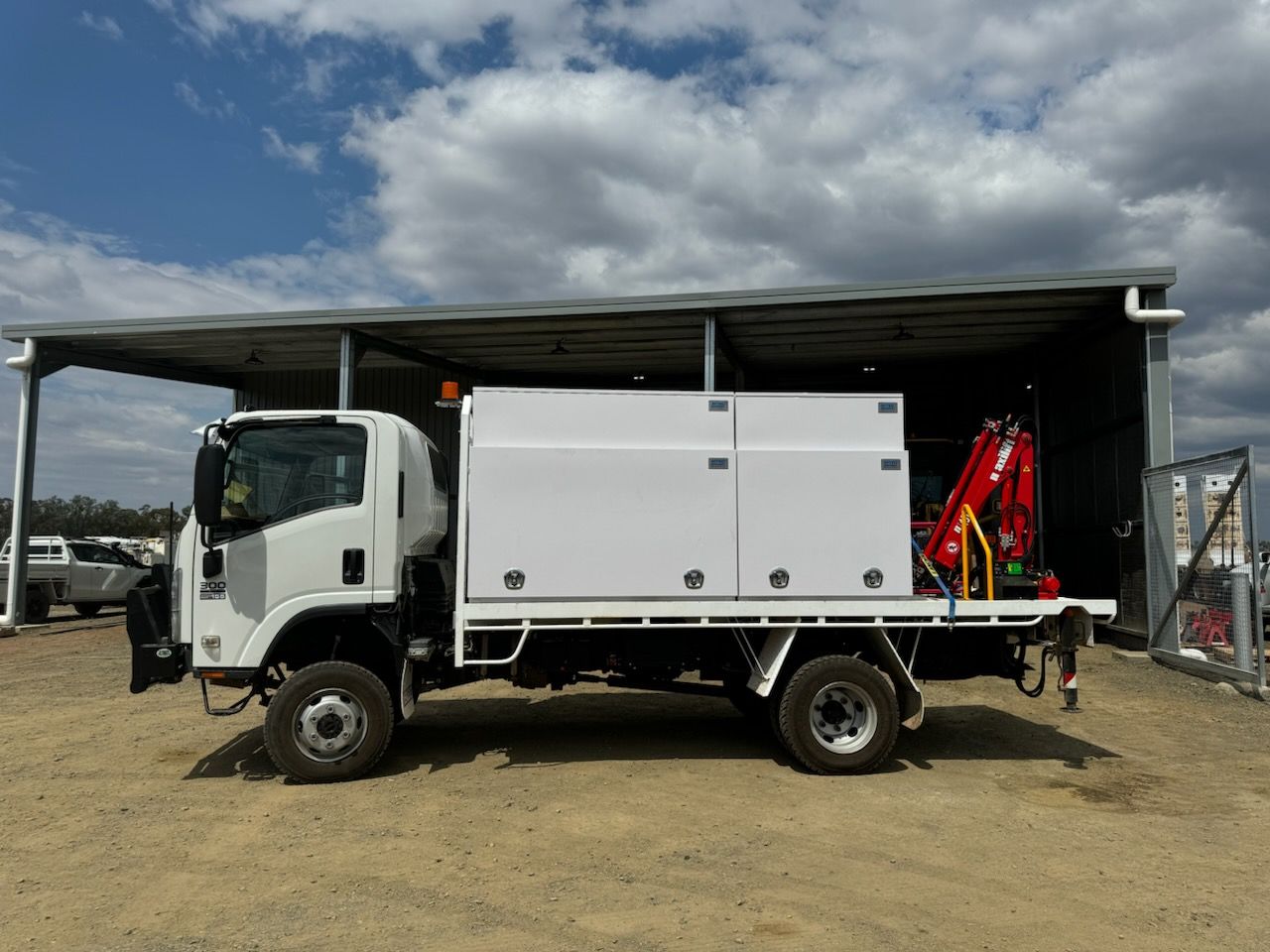
Steel vs aluminium: a closer look
When comparing materials for high-stress environments, the choice usually comes down to structural rigidity versus weight savings.
- Steel remains the heavy-duty standard because it is significantly denser than aluminium and provides higher yield strength. This allows it to absorb heavy impacts and vibrations without warping.
- Aluminium serves as the lightweight alternative at roughly one-third the weight of steel. While it helps keep vehicles under their Gross Vehicle Mass (GVM), it lacks the raw brute strength required for extreme industrial applications.
The pros and cons of a steel toolbox vs an aluminium toolbox
When it comes to heavy-duty use, durability is one of the biggest differences between steel and aluminium toolboxes. Here’s how the steel toolbox vs aluminium toolbox debate breaks down across key performance factors:
- Durability and impact resistance — Steel is the king of toughness. While aluminium is sturdy, it is more prone to cracking under extreme stress or metal fatigue on corrugated outback roads.
- Security — If security is your priority, steel provides a stronger barrier. Its high tensile strength makes it much harder for thieves to pry open doors or cut through the casing compared to softer aluminium.
- Corrosion resistance — Aluminium has a natural edge here, but modern engineering has closed the gap. High-quality, durable steel ute toolboxes are now treated with advanced powder-coating finishes.
- Weight and payload — Aluminium is lighter, but for heavy-duty setups where the box acts as a structural component, steel’s longevity is a fair trade-off.
The verdict: why steel wins for heavy-duty use
Steel is the clear winner for anyone requiring maximum security and long-term structural integrity of toolboxes. When your livelihood depends on your gear arriving in one piece, the “armour” of steel is unmatched.
Welded vs folded steel toolboxes: which one to pick?
A major factor in performance is how the unit is built. When comparing welded vs folded steel toolboxes, the difference in strength is significant. Folded toolboxes rely on bends and fasteners, which can rattle loose or leak over time. Meanwhile, welded toolboxes are a great option for heavy-duty use. Continuous welding provides a watertight seal and prevents the chassis from twisting when the vehicle travels over uneven terrain. If you require specialised toolbox combinations, prioritising welded construction will extend the service life of your setup.
Heavy-duty steel toolbox thicknessguide
To ensure you’re getting true industrial-grade protection, refer to this toolbox steel thickness guide. For a genuine heavy-duty steel toolbox, look for a thickness of 1.5-2mm. This gauge aligns with the material requirements in AS/NZS 4600 for cold-formed steel, ensuring the floor does not sag or warp under pressure.
Got unique requirements for your vehicle? Choosing custom steel toolbox combinations lets you tailor your storage without sacrificing that essential structural backbone.
Find the right steel toolbox for your needs at Sitec Equipment
Picking the right material involves considering your daily tasks and the total tool weight. While aluminium saves on fuel, steel offers the peace of mind that comes with near-indestructible construction.
To find a solution tailored to your specific trade requirements, contact the Sitec Equipment team and let’s discuss the best options for your vehicle.